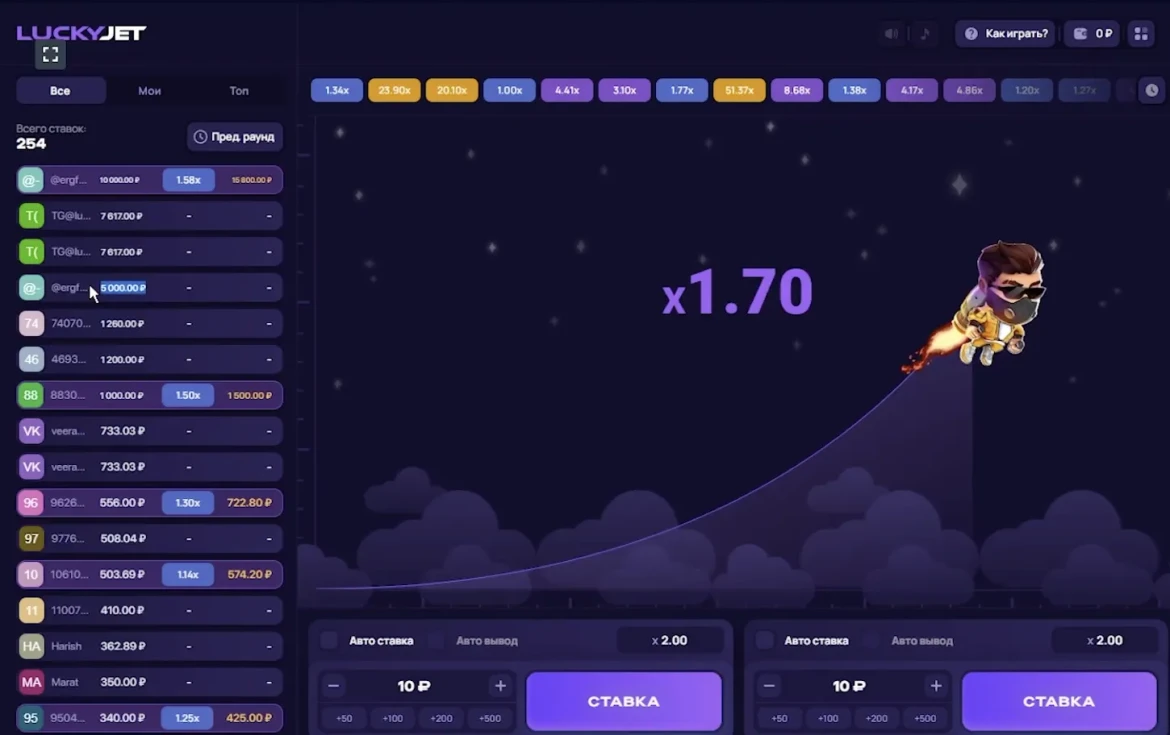
I appreciate games that understand the impact of visuals https://luckyjetcasino.uk/. A great game isn’t merely attractive; it forges a world that grabs you the instant it starts. That’s the feeling I get with Lucky Jet. The game’s art is a smart mix of lively motion and striking aesthetics, making something that’s both exciting to play and lovely to view. This steady improvement in artistry is a significant part of its attraction, creating a setting that’s as fun to watch as it is to interact with.
The Starting Point: From Practical to Stunning
Each visual experience has its origins, and Lucky Jet’s early days are all about clever, sensible options. The earliest iteration of the game put clarity first. The creators understood that a game about a character rocketing upward with live multipliers required a perfectly clear display. They selected sharp lines, a distinctive color scheme to make the pilot stand out, and bold, clear digits. This setup guaranteed the main action was never confusing, showing that appealing aesthetics start with perfect readability.
Emphasizing the Player’s Eye
Those first layouts were created to steer your attention. The figure had sufficient character to be appealing, but not so much detail that it crowded the screen. Background elements featured subdued tones and simple patterns so the on-screen activity always demanded focus. This careful layering of visuals enabled players to make quick choices without looking over the full interface. It was a concept that honored the game’s pace and the player’s requirement for an uncluttered screen.
Hue Psychology and Spatial Depth
Think about the game’s colors. Nothing here is random. The developers use color theory with a light touch. The primary interface leans on blues and purples, shades we associate with stability and tranquility. This creates a relaxed visual foundation. That peaceful background forces the brilliant orange and yellow tones of the jet and its multiplier line jump off the screen, attracting your eye right to the core of the action.
Creating a Credible Universe
This clever color approach also builds a spatial sense. By shading background areas in cooler and softer tones and keeping warm, vivid colors for interactive areas, the game builds a believable depth perception. This layering effect isn’t just for show. It enables your mind quickly distinguish the gameplay from the background, enabling you analyze the movement quicker and reinforce the impression of gliding through the sky.
The Animation: The Heart of the Game
Consider the graphics as the foundation. The movement is the spirit. This is where Lucky Jet’s visual style comes to life. The seamless, increasing speed of the pilot is essential; a hiccup would ruin the experience. However the real cleverness is in the smaller motions. The multiplier glinting, the minor screen bump when you cash out, the small burst after a good round. These details are the visual responses that cause the game appear alive and lively.
Every moving part has two jobs: to delight the eyes and to provide feedback. The expanding path behind the pilot is a dynamic indicator of your possible win. Numbers that swell and glow help you grasp the risks without straining to read. This combination of aesthetics and purpose in animation transforms a fundamental gameplay element into a captivating visual spectacle.
Creating a Unified Visual World
Beautiful pieces go to waste without harmony, and here is where the game’s art direction stands out. From the entryway to the primary display, a cohesive look binds it all. The fonts are modern, sleek, and friendly, matching the game’s approachable and exhilarating mood. All the icons share the same streamlined, aerodynamic feel, mirroring the curves of the jet pack. This consistency builds a solid, trustworthy brand that gamers identify.
This unified world shows up also in special events. For time-limited competitions, the interface receives a careful redesign. These are well-considered revamps with fresh color schemes and pilot equipment that never break the core layout. It maintains excitement for frequent players and demonstrates a commitment to world-building, transforming a single game into a visual platform that evolves.
The Flow of Development: Major Visual Enhancements
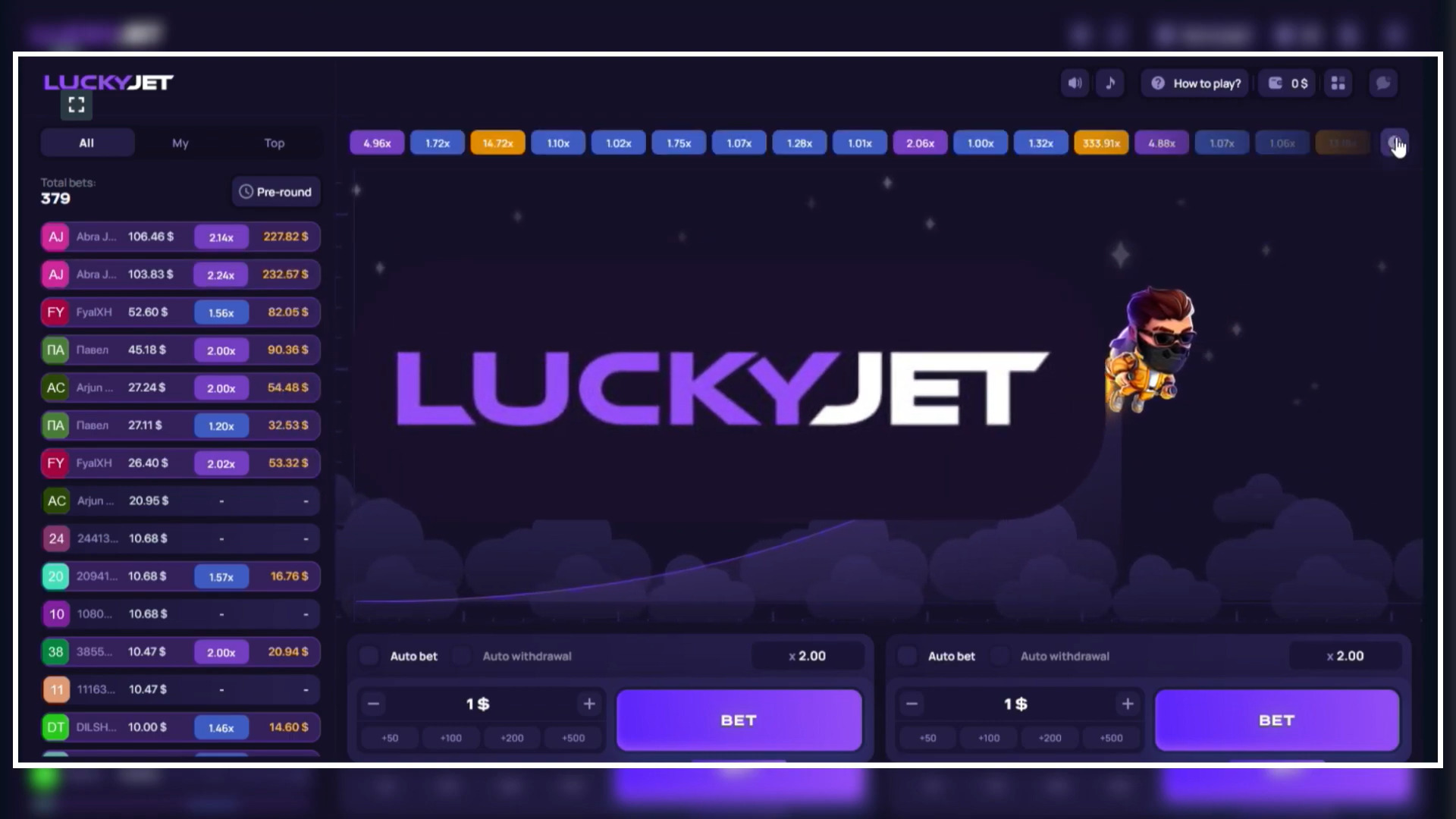
The game’s visuals have become more refined over the years. The enhancements I’ve noticed signify a clear leap in quality and mood. The jet’s movements are now more intricate and smooth, adding a feeling of genuine mass and motion to its ascent. The multiplier path was also improved, incorporating particle effects and sleeker graphics that make the climbing figures appear robust and dynamic. These updates immerse you further into the game’s flow.
The backgrounds have been transformed. What were once simple static images now feel like actual places. You will observe minor enhancements, like clouds moving slowly, levels changing as you scroll, and lighting altering to indicate various periods of the day. This environmental detail doesn’t get in the way of the game. Instead, it wraps the core action in a world that feels less like a picture and more like a destination. It reveals a group devoted to perfecting every element on the screen.
Hero Design: Beyond Just a Pilot
The little aviator is the symbol of the game. It started as a plain game piece, but has gained real character. We’ve seen special costumes for holiday events, which adds a fun layer of collectibility. The animation work is higher quality, giving the pilot small idle movements and reaction twitches that suggest a personality. These features build a connection between the player and the pixelated figure on the screen.
This effort on the character does more than just look good. A compelling protagonist gives you someone to support. When the pilot takes off, that emotion of risk and reward has a face. All aspects of the design, from the focused look to the shape of the jetpack, sells the ideas of speed and cheerful adventure. Transitioning from a simple game token to a memorable mascot is a big part of what makes the visuals stick with you.
What’s Next for Flight: Anticipating Visual Trends
Considering the path so far, the visual future for Lucky Jet is bright. I foresee to see more ways for players to make the game their own, maybe by personalizing jet trails or pilot outfits. Incorporating more advanced lighting, like dynamic shadows or soft rain effects, could generate amazing new layers of depth. We might even see bits of story woven in, with short animated clips or backgrounds that change as you advance.
The room for subtle 3D effects is huge, offering a stronger sensation of depth and velocity. As screen technology advances, the art can progress for sharper resolutions and smoother performance. The trick will be combining these new ideas with the game’s core strength: absolute clarity. The developers have demonstrated they know this balance, which suggests a future where the game keeps its spot as a visual standout.
Following Lucky Jet’s art evolve has been a treat. It demonstrates how thoughtful design, rooted in usability and boosted by creative energy, can turn a clever game mechanic into a memorable event. From its clean, simple start to its lively current state, every dot on the screen works to build excitement and shape a space players want to return to. This progression highlights a key truth: great visuals aren’t just wallpaper. They are a essential part of what makes a game engaging and fun.