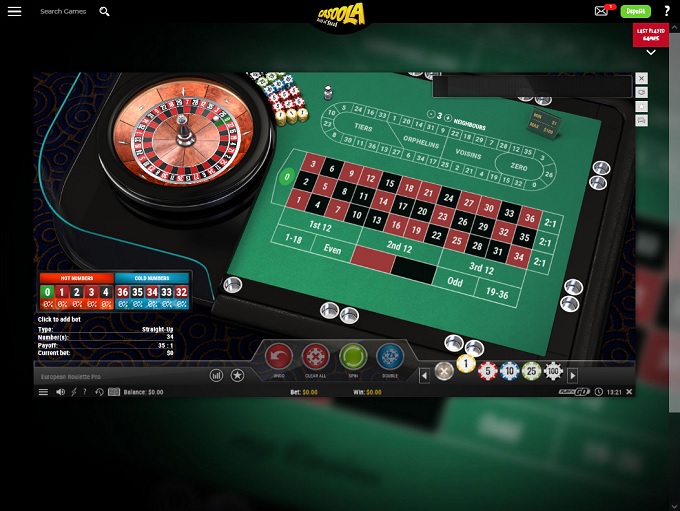
For those wanting to gamble at casoolacasino, the primary concern is often a simple one: is it permitted? The reply differs globally. Online casinos like Casoola are not available worldwide. Their access depends on a tangled web of local laws, the rules set by their license providers, and the casino’s own business decisions. This page breaks down that complexity. We’ll explore the causes of these bans, which countries are commonly excluded, and how you can check your own status. The aim is to provide you a straightforward picture of how your location affects your capacity to participate.
Verifying Your Country’s Qualification
How can you tell if you are allowed to play? Turn to the source. The Casoola Casino website has the only list that matters. Look for the “Terms and Conditions” or a specific “Country Restrictions” page. Read that list carefully before you try to sign up or deposit. If you cannot locate the information, contact customer support through live chat or email. They will provide you with a direct answer. Do not rely on third-party review sites for this. Their information could be inaccurate or wrong. You are responsible to verify you’re in a permitted location before you play for real money.
Casoola Casino’s Licensed Jurisdictions
You can typically see which licenses Casoola holds at the footer of its website. These licenses, from bodies like the Malta Gaming Authority, grant formal permission to function in specific locations. Commonly, this includes many nations in the European Economic Area—Germany, Finland, Norway, and Ireland, for example. But a license for Europe may not mean free access to all of Europe. The casino still needs to follow each country’s particular rules. The most reliable source for where Casoola can lawfully accept players is constantly its own Terms and Conditions. This list could and does change as laws evolve.
Typical Banned Countries and Territories
If you look at restricted lists throughout the sector, you can notice the same names pop up again and again. Casoola’s list adheres to this model. Countries with strict bans, like the United States (with its complex state laws), France (with its state monopoly), and the Netherlands (before its recent market opening), are typically blocked. Also included are many Middle Eastern and Asian nations where gambling is largely illegal, such as Turkey and Israel. Australia is another common entry due to its Interactive Gambling Act of 2001. The reason for each block might be slightly different, but they all boil down to one thing: the law of the land.
The United States: A Complex Landscape
The U.S. is a special case. Gambling law is made state by state. A handful of states, including New Jersey, Pennsylvania, and Michigan, have set up legal, regulated online casino markets. But federal laws like the Unlawful Internet Gambling Enforcement Act (UIGEA) create major hurdles. For an internationally licensed casino like Casoola, getting licensed in individual U.S. states is a long and expensive process. As a result, Casoola typically blocks access from all U.S. territories. If you live in the United States, you probably won’t be able to create an account, even if your particular state has legalized online play.
Restrictions Within the European Union
The European Union’s single market doesn’t fully apply to online gambling. Each member state still sets its own regulations. Casoola might operate in many EU countries under its main license. But some countries, like Sweden or Denmark, require an extra local license. Others, such as France, run a monopoly that locks out private operators entirely. Some nations have technical demands, like registering with a national player database. The result is a checkerboard. You might have access from Spain but be blocked just across the border in France, all based on the specific legal agreements in place.
The method Casoola Casino Enforces Geographical Restrictions
Casoola uses several approaches to make sure players are in the right place. The first check takes place automatically. When you navigate to the site, it examines your IP address—a digital marker of your location—and matches it to a list of allowed and banned countries. If you pass that test and register, you must provide your home address. Later, you’ll need to verify that address with a document like a utility bill. If your IP address and your document disagree, your account will be flagged. The casino also checks your payment methods. Trying to use a credit card from a restricted country will fail. This layered system is how the casino stays within the law.
Steps to Take If Your Country Is Restricted
Ending up in a banned country is discouraging, but your choices are straightforward. The crucial step is to accept the restriction. Refrain from trying to trick the system with a VPN. Instead, seek out online casinos that are officially licensed in your own country, if they exist. You can also explore other kinds of legal online entertainment that are not region-locked. Sometimes restrictions evolve. If your country is launching a new regulated market, watch Casoola’s official announcements. They may apply for a license there in the future. The only secure and legal path is to gamble solely on sites that openly welcome players from your jurisdiction.
Safe Betting and Regulatory Adherence
Following geo-restrictions isn’t just about complying with the law; it’s a fundamental part of responsible gambling. Authorized casinos function under guidelines that protect you. These regulations verify games are fair, your money is protected, and you have options to regulate your play. If you evade a ban to wager from a banned country, you venture outside that protective shield. You forfeit all legal protection and might find yourself on an hazardous site. When Casoola implements its country blocks, it’s upholding its pledge for a safe environment. As a player, you back that security by being truthful about where you are and deciding to wager only where it’s lawful.
Comprehending the Legal System for Internet Gambling
Regulations for internet gambling differ greatly from one country to the next. These variations come from regional culture, history, and government policy. Some nations operate tight, regulated markets where licensed casinos can deliver services. Others give a monopoly to a unique state-owned company. Many countries have antiquated or unclear laws that place things in a grey zone, and some have absolute bans. For a casino, obeying these rules is crucial. To hold a license from a authority like the Malta Gaming Authority or the UK Gambling Commission, Casoola must use technology to stop players from banned locations. The list of restricted countries isn’t random; it’s a straight map of this regulatory patchwork.
Function of Licensing Authorities
View licensing authorities as the regulators and watchdogs. When Casoola Casino obtains a license from Malta, it must adhere to that authority’s playbook. That playbook explicitly prohibits the casino from allowing players from countries where online gambling is illegal. The regulator oversees this. If the casino fails to prevent players from a restricted country, it confronts fines or could even forfeit its license. This outside pressure ensures the casino’s territorial limits are carefully drawn. The banned list stands because the casino’s license depends on it.
Business Risk Management Policies
At times, the casino personally chooses to stay out of a market. Regulatory grey areas might occur, but the company could perceive too much risk. Maybe payment processing is inconsistent, or the political climate is unstable. Withdrawing from these regions safeguards the business from future legal headaches and maintains its banking relationships stable. So, the definitive list of where you can gamble originates from two factors: the firm law of licensing, and the careful strategy of the company’s own risk managers.
The outlook on Geo-Restrictions for Online Gambling
International regulations governing online gambling are constantly evolving. The trend in some places is toward opening up. Regulators acknowledge the perks of licensing: they may shield consumers and raise tax funds. New markets in places like the Netherlands and Ontario, Canada, show this trend. For an operator such as Casoola, this may indicate more countries grant access gradually, assuming they acquire proper regional licenses. However, some areas are imposing stricter rules. What lies ahead is likely a blend—more regulated markets overall, but with geo-blocking remaining a key tool. The landscape of accessible locations will continue to evolve.
Outcomes of Attempting to Circumvent Restrictions
Some users try to bypass these limitations using tools like VPNs or proxy servers. This is a bad choice. It infringes the casino’s Terms and Conditions. The casino is skilled at detecting these approaches, especially when you seek to withdraw payments or provide files. If you’re found, the casino will close or shut down your membership. Any winnings you accumulated while betting from a restricted country will be forfeited. Your deposit might be repaid, but often with a fee removed. More seriously, you could be violating your own country’s regulations by gambling on an unlicensed site. The danger is significant, and the gain is zero.